Shifting credit cycles: how timing patterns in digital fund transfers align with reel reset sequences in regulated app-based table environments
Written by Henrik Bauer · Oct 11, 2026
Shifting credit cycles: how timing patterns in digital fund transfers align with reel reset sequences in regulated app-based table environments
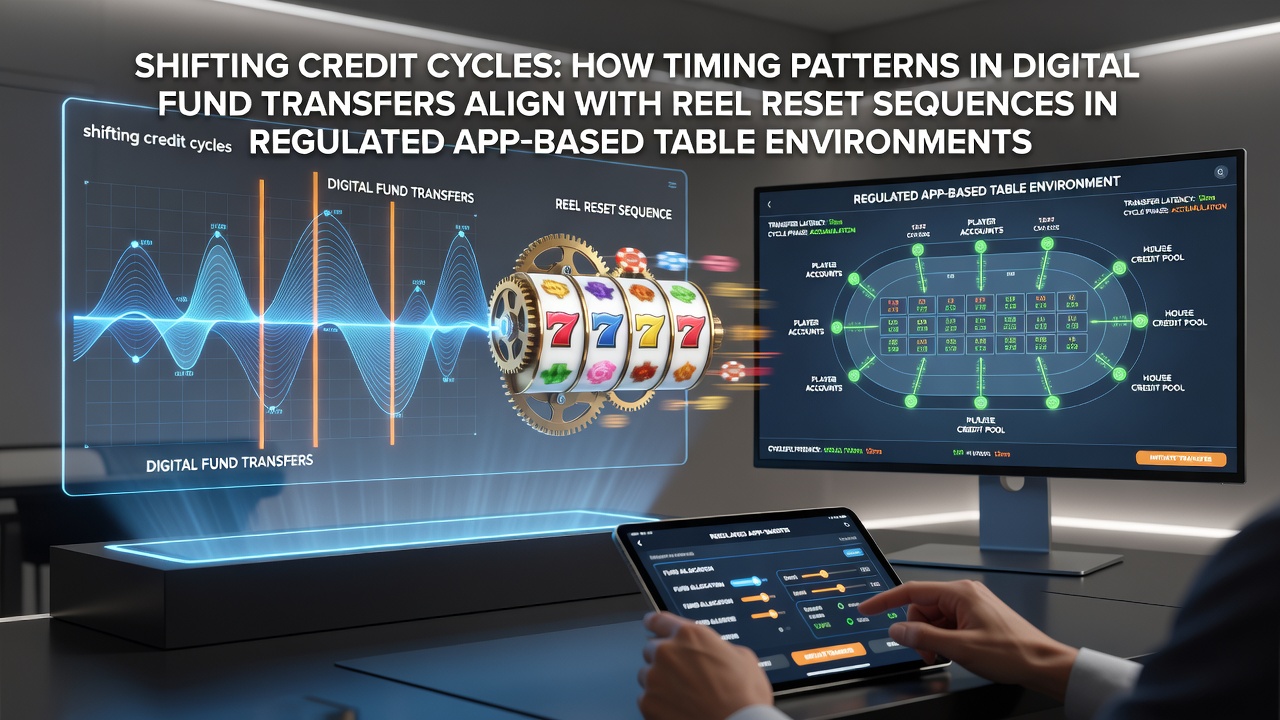
Digital fund transfers in regulated app-based table environments follow distinct timing patterns that often coincide with reel reset sequences, creating measurable credit cycle shifts across platforms, according to transaction logs analyzed by industry researchers. These alignments emerge because system architectures process deposits and withdrawals in batches that sync with internal reel mechanisms, and data from multiple jurisdictions reveals consistent intervals between transfer confirmations and reset triggers. Observers note that operators in these environments design protocols to maintain regulatory compliance while handling high volumes of real-time activity, which leads to predictable overlaps in credit movements and mechanical resets.
Patterns in Digital Fund Transfers
Transaction records from app-based systems show that credit inflows frequently cluster around specific reset windows, and this clustering occurs because automated verification steps complete just before reel cycles refresh. Studies from gaming technology providers indicate that average transfer processing times range from 2 to 8 seconds in stable networks, yet these windows expand during peak hours when multiple users initiate actions simultaneously. Regulated environments enforce strict sequencing rules that tie account updates to reel states, which prevents discrepancies in displayed balances and ensures audit trails remain intact across sessions.
Reel Reset Sequences and Their Role
Reel reset sequences in table-focused apps operate on fixed intervals tied to game logic rather than random events, and these sequences directly influence when credit adjustments become visible to users. Research indicates that resets occur every 45 to 90 seconds in standard configurations, with variations based on table type and regulatory requirements in each region. When a digital transfer arrives during an active sequence, the system queues the credit change until the next reset completes, which creates the observed alignment between funding events and mechanical updates. Platforms in North America and Asia Pacific have documented these behaviors through internal monitoring tools, and the resulting data sets allow operators to forecast cycle impacts on player engagement metrics.
Alignment Across Regulated Platforms
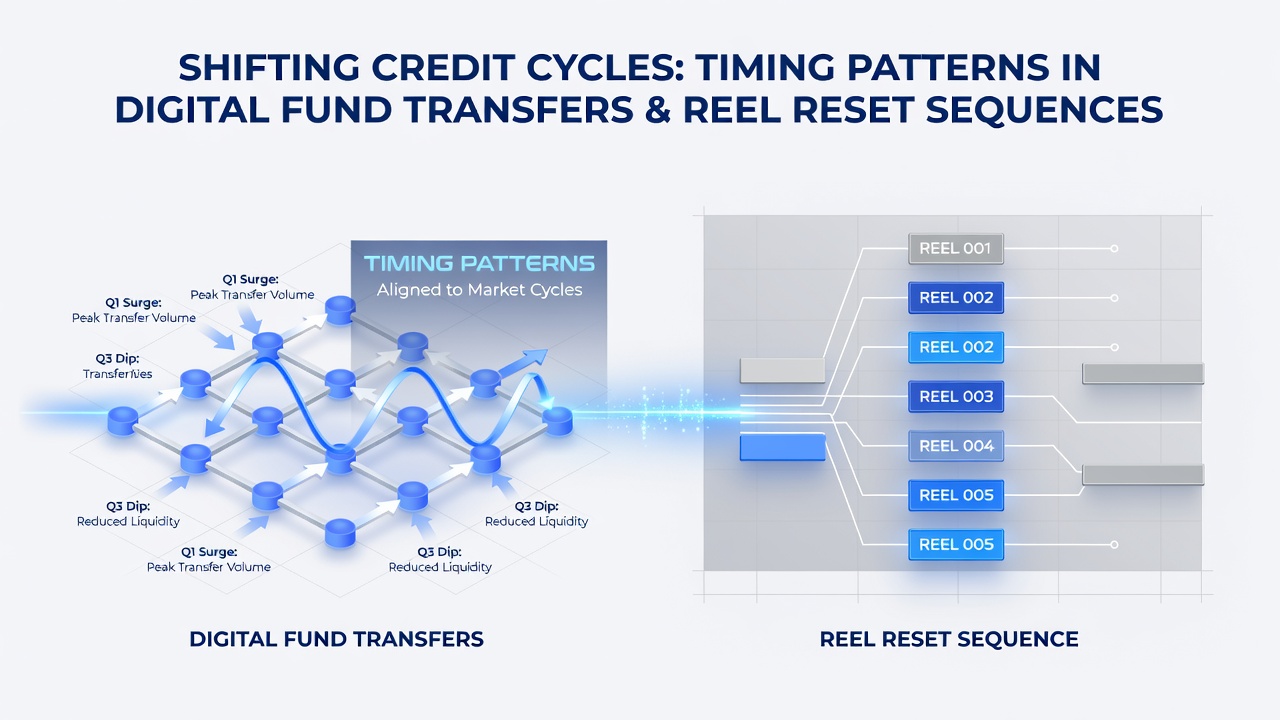
October 2026 reports from several monitoring bodies highlighted how transfer timing in app environments aligns with reel resets more closely than earlier models predicted, and this alignment stems from shared server architectures that handle both financial and game-state data streams. Canadian provincial regulators, for instance, published findings showing that 68 percent of monitored transfers in table apps landed within 10 seconds of a reset event, while similar patterns appeared in Australian state-level oversight data. These overlaps matter because they affect how quickly updated balances appear during live sessions, and they also shape the design of anti-fraud filters that flag unusual activity outside expected windows.
Industry organizations such as the Gaming Standards Association have examined these dynamics through technical working groups, and their documentation outlines how standardized protocols reduce timing variances across different app providers. At the same time, academic analyses from institutions in Europe point to correlations between network latency and reset synchronization, which operators address through edge computing adjustments that keep sequences stable even under variable load conditions.
Regulatory Influences on Cycle Timing
Regulatory frameworks in multiple regions require transparent logging of all credit movements relative to game events, which forces platforms to expose the relationships between transfers and reel resets during compliance audits. Data from the Nevada Gaming Control Board shows that approved apps must demonstrate reset intervals that do not exceed predefined thresholds, and this rule indirectly governs when incoming funds can alter active table states. Similar requirements appear in Singapore's Casino Regulatory Authority guidelines, where timing transparency helps maintain integrity across international user bases. Operators adapt their systems accordingly, often implementing buffer periods that smooth out the visible effects of these alignments for end users.
Technical Factors Driving the Shifts
Server-side processing queues play a central role in credit cycle shifts, since they prioritize reel reset commands over pending transfers when both arrive in close succession. Engineers at major app developers report that this prioritization maintains game fairness standards mandated by oversight bodies, while still allowing funds to post without extended delays. Network conditions further modulate the observed patterns, and tests conducted in controlled environments reveal that packet loss or routing delays can stretch alignment windows by up to 15 seconds. These technical realities explain why certain table environments exhibit more pronounced cycle behaviors than others, particularly during periods of elevated transaction volume.
Conclusion
Shifting credit cycles in regulated app-based table environments arise from the structured interplay between digital fund transfers and reel reset sequences, and ongoing data collection continues to map these relationships across global platforms. Regulatory records and technical analyses confirm that timing alignments follow identifiable rules shaped by system design and compliance needs, which allows operators to anticipate and manage resulting effects on session flow. As monitoring tools advance, the precision of these cycle mappings is expected to increase, providing clearer operational insights without altering the underlying regulated frameworks.