Demographic Shifts Driving Changes in Game Selection Strategies Across Secure Digital Platforms
Written by Henrik Bauer · Sep 27, 2026
Demographic Shifts Driving Changes in Game Selection Strategies Across Secure Digital Platforms
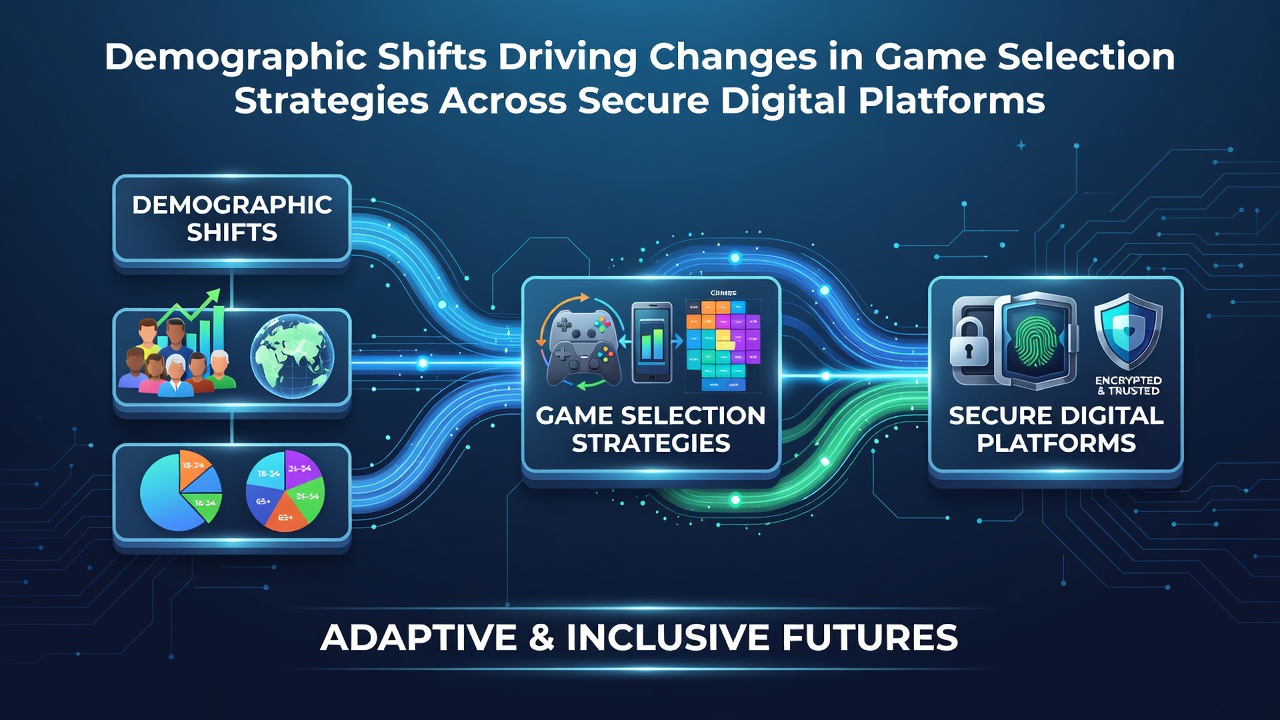
Population changes continue to reshape how users approach game selection on secure digital platforms, and operators have responded by adjusting offerings to match evolving player bases. Data released in September 2026 highlighted ongoing movements in age distribution, gender participation, and regional migration patterns that directly influence which titles gain traction in protected environments. Researchers tracking these patterns note that younger cohorts gravitate toward mobile-optimized slots and instant-play formats, whereas older groups maintain steady engagement with table games that feature enhanced encryption layers and verified transaction histories.
Age Distribution and Platform Preferences
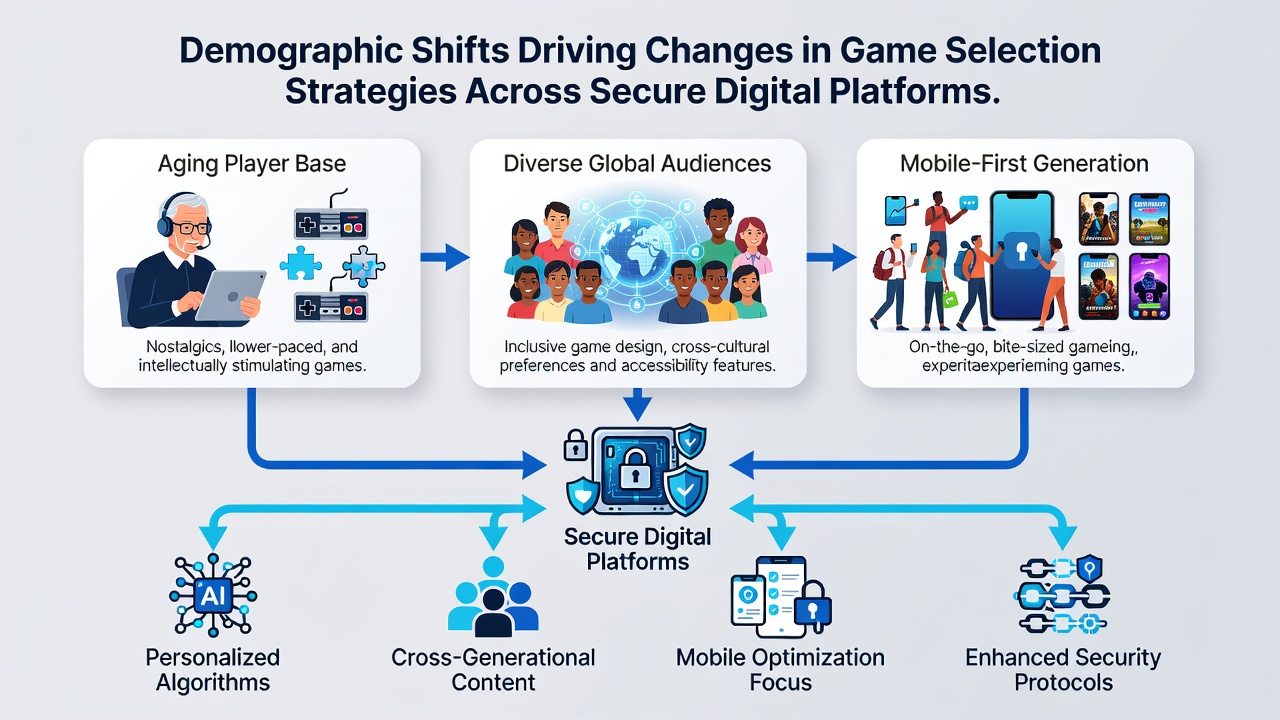
Millennials and Generation Z users now represent the largest segment accessing secure digital platforms through smartphones, and this group shows clear preference for games with rapid cycle times combined with social integration features. Studies from multiple jurisdictions indicate that players aged 18 to 34 select titles incorporating real-time leaderboards and progressive jackpot mechanics at higher rates than previous generations. Meanwhile, users over 45 demonstrate consistent selection of live dealer experiences that incorporate multi-factor authentication and audited random number generators, reflecting priorities around transparency and account security. These patterns emerge because demographic cohorts bring distinct expectations shaped by their exposure to technology during formative years, and platform providers have adapted catalog curation accordingly.
Gender Dynamics in Game Selection
Participation rates among female players have risen steadily across secure digital environments, with figures revealing increased selection of bingo-style games and themed video slots that emphasize narrative elements. Male players continue to dominate volume in high-volatility slots and competitive poker variants, yet the gap narrows in regions where targeted marketing highlights safety protocols and responsible play tools. Observers note that platforms offering gender-neutral security certifications and customizable privacy settings see broader retention across both groups. Data from regulatory filings in North America and parts of Asia show these trends accelerating as verification processes become standardized and less intrusive.
Regional Migration and Cultural Influences
Population shifts driven by economic migration have introduced new player preferences in established markets, particularly where communities from Latin America and Southeast Asia have grown. These groups often prioritize games that incorporate culturally familiar symbols and bonus structures tied to local festivals, while still demanding the same level of end-to-end encryption applied across all titles. European operators report similar adjustments after demographic influxes altered the composition of their user bases, leading to expanded libraries that include localized variants of classic card games. Secure platforms have integrated geofencing and identity verification layers that accommodate these changes without compromising compliance standards.
What's interesting is how these regional variations interact with broader technological adoption rates. In markets where broadband penetration increased rapidly between 2023 and 2026, new demographic segments quickly adopted hybrid games that blend skill elements with chance-based outcomes, all hosted within environments featuring continuous security monitoring. Operators have documented higher retention when game libraries reflect both cultural familiarity and rigorous backend protections, creating selection patterns that differ markedly from those observed five years earlier.
Security Protocols and Demographic Trust Factors
Trust in digital security measures varies across age and cultural lines, influencing which games users ultimately choose. Younger demographics often accept biometric login methods as standard, allowing them to explore a wider range of experimental titles, while older cohorts favor platforms that provide detailed audit trails and third-party certifications before committing to extended sessions. Reports compiled by industry associations such as the American Gaming Association show that platforms emphasizing visible security credentials experience stronger uptake among users concerned with data privacy. These differences have prompted developers to embed security indicators directly into game interfaces, making the protective measures part of the selection criteria rather than background features.
Additional research conducted through academic partnerships in Canada and Australia further illustrates how demographic variables intersect with payment method preferences, which in turn guide game availability. Platforms that support diverse funding channels while maintaining unified security frameworks tend to attract broader audiences and sustain longer engagement periods across multiple demographic slices.
Conclusion
Demographic shifts continue to drive measurable changes in game selection strategies on secure digital platforms, with age, gender, and regional factors producing distinct patterns that operators track through ongoing data collection. Evidence from regulatory reports and industry analyses demonstrates that successful platforms adapt their catalogs and security presentations to align with these evolving user bases. As population dynamics progress into late 2026 and beyond, the connection between demographic profiles and game preferences is expected to remain a central consideration for platform development and compliance frameworks across multiple jurisdictions.